Travel Dubai with UnCrushedLeaves

Forget the gold-plated cars and the glittering stereotypes. Take a step back and look closely enough – Dubai is the land of survivalists, a settlement born of a desert and a vision of skyscrapers. It is a city of merchants, dreamers, and storytellers who carved a metropolis out of the sands of time. To understand what makes this city so remarkable, one has to read it like a history book – from the water to the sky.
The Creek Where It All Began
A hundred years ago, before oil, before skyscrapers, Dubai was a humble fishing and pearl-diving village. The heart of the ancient capital had been the Dubai Creek – a saltwater river that flows through the city. The local legends live on in the annals of the city’s history in the form of the pearl divers who, armed only with a turtle-shell nose clip and a stone weight, would plunge into the Persian Gulf.
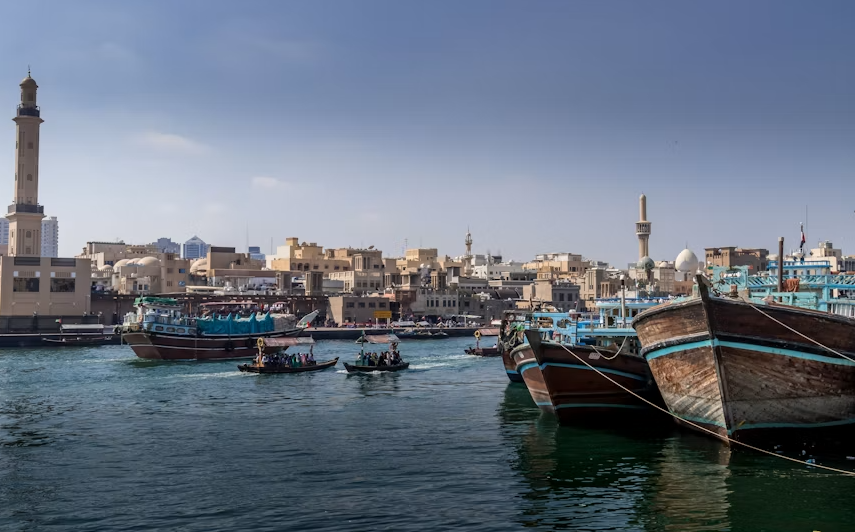
Today, the creek is the heart of the old Dubai, where a single abra (a traditional boat) ride costs only a dirham. It is a city’s cheapest and probably the most worthwhile investment, as you will see the city unfold in front of you from a different vantage point. Squeezed on a wooden bench with locals, you will feel the pulse of the city as it flies past your eyes, still and wild at the same time.
Lost in the Al Fahidi Labyrinth
The boatman will drop you off on the Bur Dubai side. As you walk the narrow, winding alleys of the Al Fahidi Historical Neighbourhood, you will feel as if you have stepped into a sepia-toned photograph. Even more fascinating is the fact that the architecture of these wind towers is a precursor to modern air-conditioning.
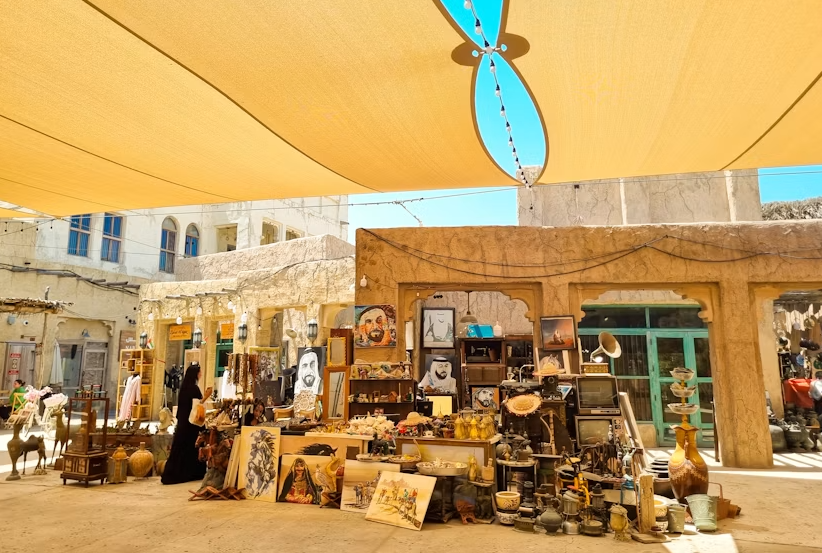
Before the invention of air-conditioning, residents of Al Fahidi would build barjeel – ancient Arabian equivalent of air-conditioning. The principle was quite simple – hot air would rise up the tower, and cool air would flow down and freshen the inner courtyard. Wandering around, you will occasionally discover an art gallery or a courtyard cafe serving sweet Arabic coffee and dates. This is a perfect place to pause and people-watch or simply sit and listen to the wind as it whistles through the narrow alleys.
Touching the Sky: The Burj Khalifa
No story of modern Dubai is truly complete without mentioning the building that touches the sky. The Burj Khalifa, the tallest building in the world, is not only fascinating because it is different from anything before it in architecture history. It is impressive because the people who designed and built it were thinking on an entirely new level. The construction of this building complex took into account many practical and aesthetic factors. Its floor-plan resembles the shape of the Spider Lily found growing wild around the area. It is an amazing experience riding the elevator that takes you up the building at ten meters per second while getting used to the changes in pressure in your ears.
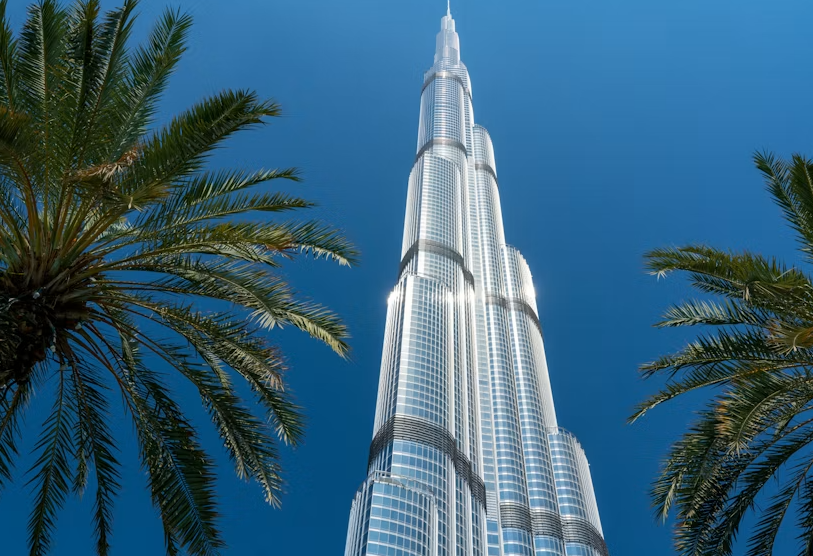
The building is so tall that even as you watched the sunset from the ground floor, you could take the elevator to the top of the building and watch the same sunset occur. The skyscrapers around the building really do look like children’s blocks placed around the base. As one looks upon the view from the 148th floor, it really is quite breathtaking to see how man has conquered altitude limitations.
Spice, Smoke, and Street Food Soul
Going to the other side of the creek, you will find yourself in the heart of Deira. Unlike the cosmopolitan Bur Dubai, Deira is a place where Dubai’s soul still lives. Everything seems to revolve around food – or, more specifically, the market. As you walk through the narrow alleys of the city’s oldest district, the scent of incense and spices will tickle your fancy.
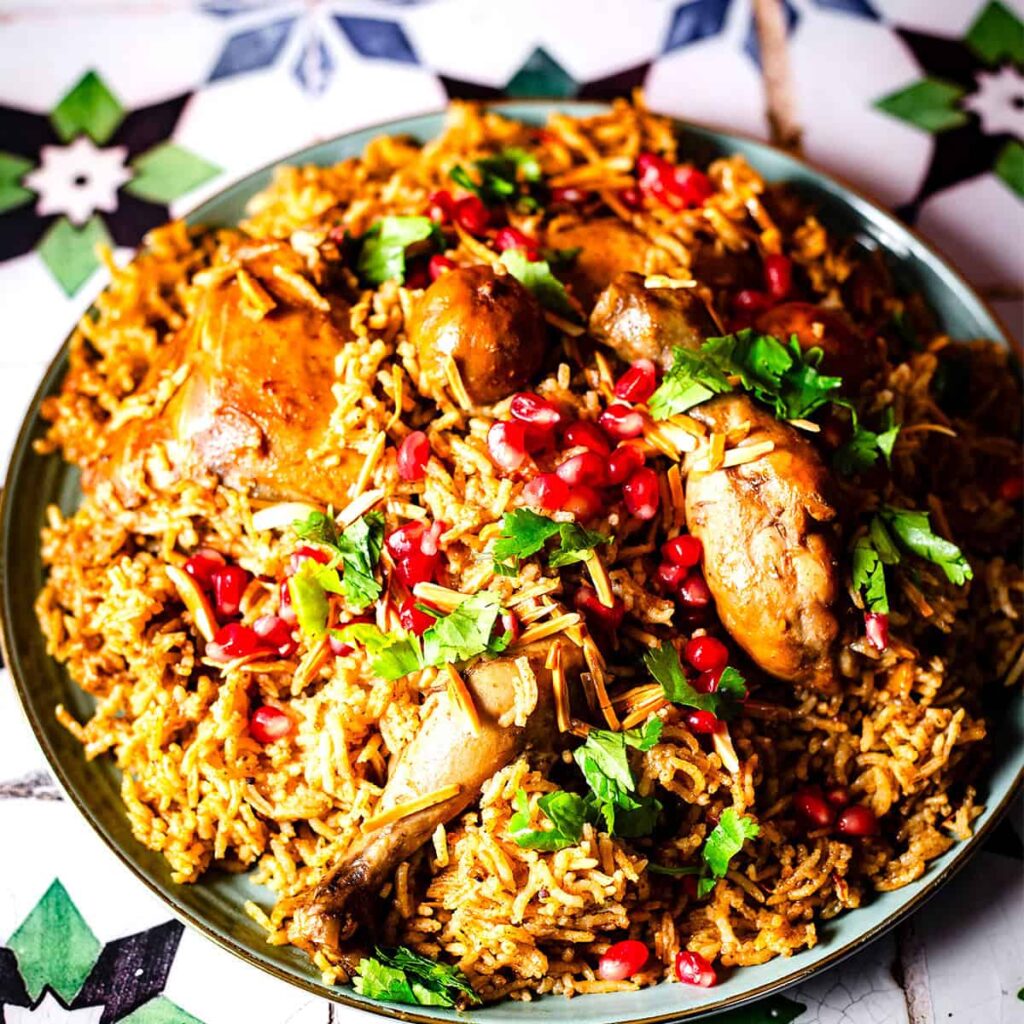
The city’s soul, however, is in its food. It is impossible to experience the real Dubai and not taste its soul food. The highlight of any meal in the city is undoubtedly Machboos – a traditional Emirati dish. This rice porridge with lamb is rich, spicy, and slightly sweet with dried lomi (limewater).
Not to be missed is Dubai’s legendary shawarma – a Middle Eastern street snack. This is a staple food of working-class Arabs who, after a long day’s work, grab a quick meal at a local cafeteria. Shawarma counters can be found throughout the city, but the best place to try it is Al Muraqqabat road in the evenings.

As you approach one of the restaurants, you will see a long line of hungry customers waiting for their turn. The cooks will deftly slice marinated chicken off the rotisserie and wrap it in warm pita with a rich garlic sauce, pickled cucumbers, and fries.
The Audacity of the Modern Marvels
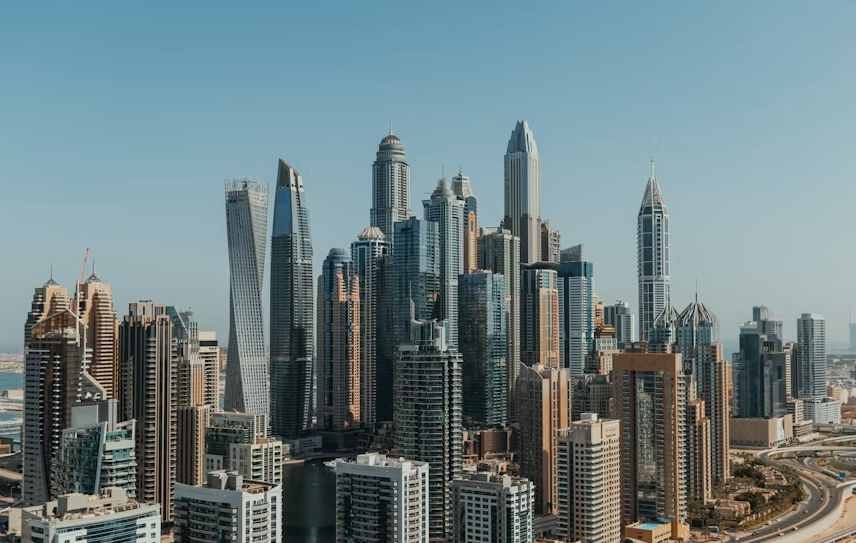
It would be a crime to finish this article without mentioning the modern architectural masterpieces in Dubai. It may surprise you to know that the Burj Khalifa is not the tallest building; the Dubai Metro is not the deepest; the Dubai Mall is not the biggest in the world. Not that it matters, of course – these are the marvels of engineering that only a city as bold as Dubai could host.
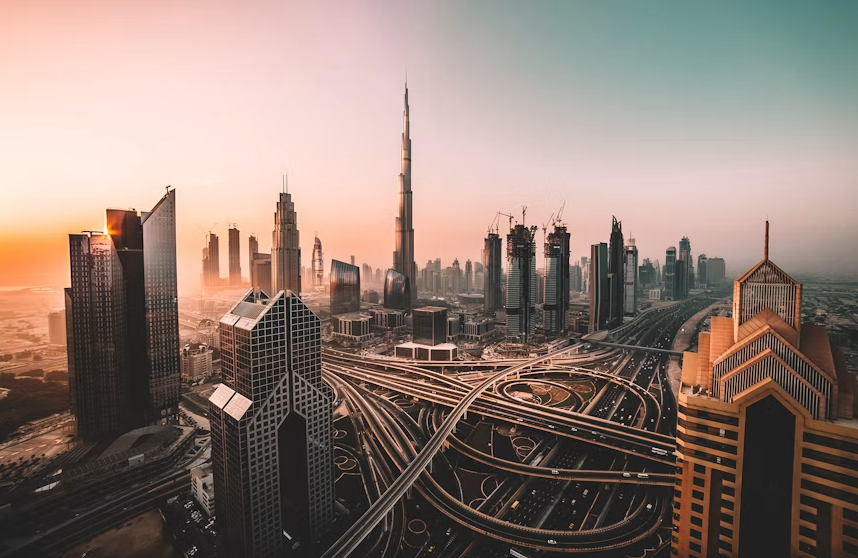
The modern masterpieces of architecture, such as the Dubai Mall and the Palm Jumeirah, are worth a separate article. These are the best examples of how Dubai embraces a continuous push for innovation and growth. They symbolize the fearless spirit of the city and the determination of its people. The Palm Jumeirah – an archipelago in the shape of a palm tree – is a prime example of human ingenuity. It is impossible to say with a straight face that the project was not worth the effort. Because, against all odds, they did it. Because they could.
Finding Your Own Narrative
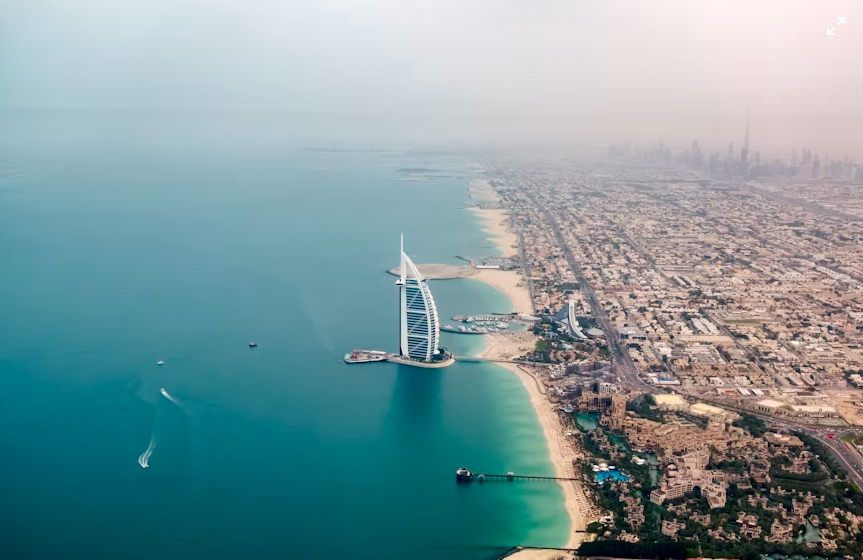
Dubai is a city of extremes. It is a place where a man can order a gold leaf cappuccino in a luxury cafe in the morning and eat a spicy paratha with five dirhams for lunch. It is the place where Bedouin hospitality and futuristic ideas coexist in a desert sun. The easiest way to experience it is to skip the stereotypes and explore the city on your own terms.