Travel Mauritius with UncrushedLeaves

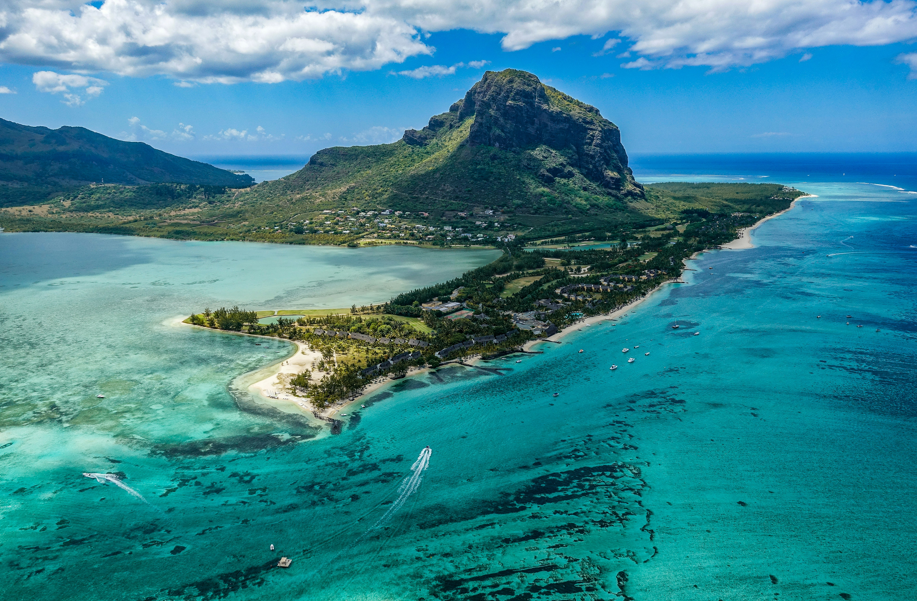
Your mental image of Mauritius is probably all white sandy beaches, where honeymooners sip cocktails overlooking the turquoise waters of the Indian Ocean. But if you only visit Mauritius, you are only getting the postcard view. Don’t get me wrong, these are stunning vistas, but Mauritius is so much more than that. This island state located in the Indian Ocean has a unique flavor, created by a mixture of African, Indian, French, and Chinese cultures. You need to get off the resort’s well-manicured paths to experience these cultural influences, so here are the five best places to see the real Mauritius, not just the postcard version of the country.
The Mountain of Freedom: Le Morne Brabant
In the southwest of the island rises an impressive mass of basalt, which attracts various adventure-seekers from around the world. Surrounded by the Indian Ocean, Le Morne is indeed a spectacular sight to behold. Escaping slaves used to take shelter in the mountain’s caves and inaccessible crevices many years ago, which gave the island its nickname the “Mountain of Freedom.”
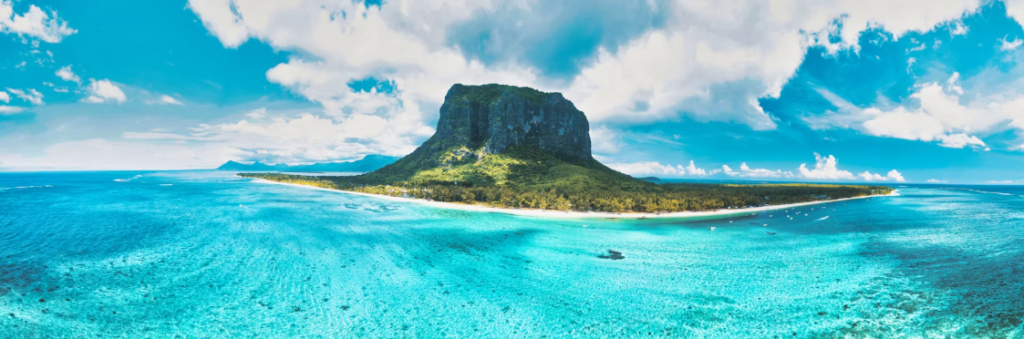
It is said that in 1835, when slavery was abolished, Le Morne’s inhabitants learned about the change through the local authorities. Thinking that the police had come to re-enslave them, the community’s members threw themselves into the sea instead of returning to their captors. Today, this former refuge for escaped slaves is a stunning UNESCO World Heritage Site.
The Dream of the Sacred Lake: Ganga Talao (Grand Bassin)
Deep in the forest, surrounded by ancient volcanoes, lies Ganga Talao. This mysterious lake is revered by Mauritius’s Hindu community since it is believed to be a copy of the sacred River Ganges. In the 19th century, when thousands of Indian workers were forced to migrate to Mauritius as part of the indentured servant program, the river became the distant workers’ only link to their home country.
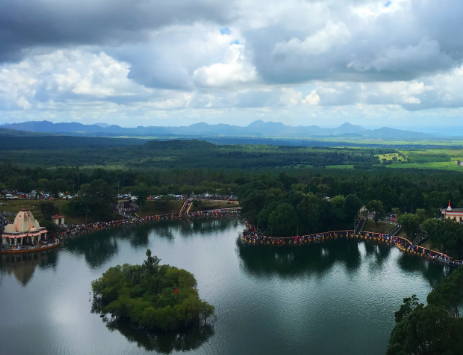
According to local legend, it was none other than Pandit Jhummun Giri, a Hindu priest, who saw the sacred river. In the late 1800s, he had a vision about a lake hidden deep in the heart of Mauritius. Upon finding the lake, he was so amazed by its beauty that it immediately became his goal in life to share the news about it with the Indian community. In tribute to the priest, a ten-storey statue of Lord Shiva watches over the lake, and thousands of pilgrims visit Ganga Talao each year.
The Earth That Painted Itself: Chamarel
A short drive from Le Morne, through the thick forest, awaits a surprising sight that can only be described as something out of another planet. After being surprised by the Seven Colored Earths, you might be tempted to take some home with you. If so, you will be delighted to know that when mixed with water, they will not ruin your bucket list item.
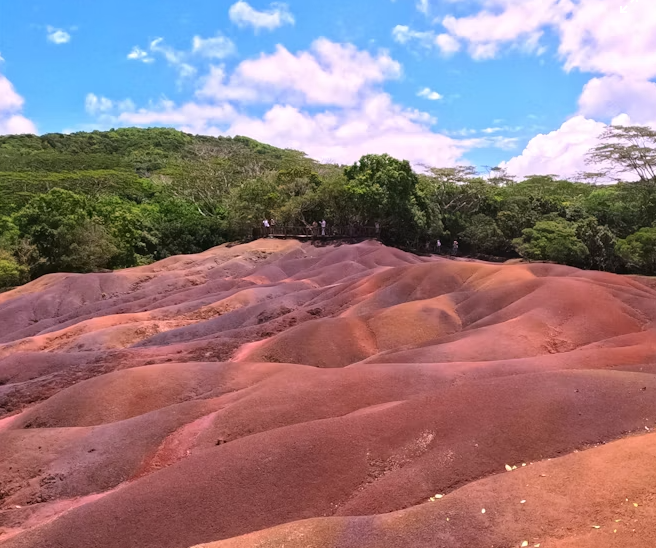
Simply place a number of the different color samples in a single jar, shake it up, and wait. While they will all look muddy after a couple of minutes, the mixture will start to separate again, illustrating the uniqueness of every single grain of sand in Mauritius. Just like the Earth, they may have been together for a very long time, but every color has its unique identity.
The Spice Thief’s Garden: Pamplemousses Botanical Garden
The Pamplemousses Botanical Garden, also known as the Sir Seewoosagur Ramgoolam Botanical Garden, is home to the island’s most extensive collection of rare flora. This 300-year-old masterpiece of nature is an experience in and of itself, but the real reason to visit the place is that it is one of the most extraordinary examples of colonial science. The exotic plants found within the confines of the garden were strategically brought to Mauritius by French botanist Pierre Poivre in the 18th century.
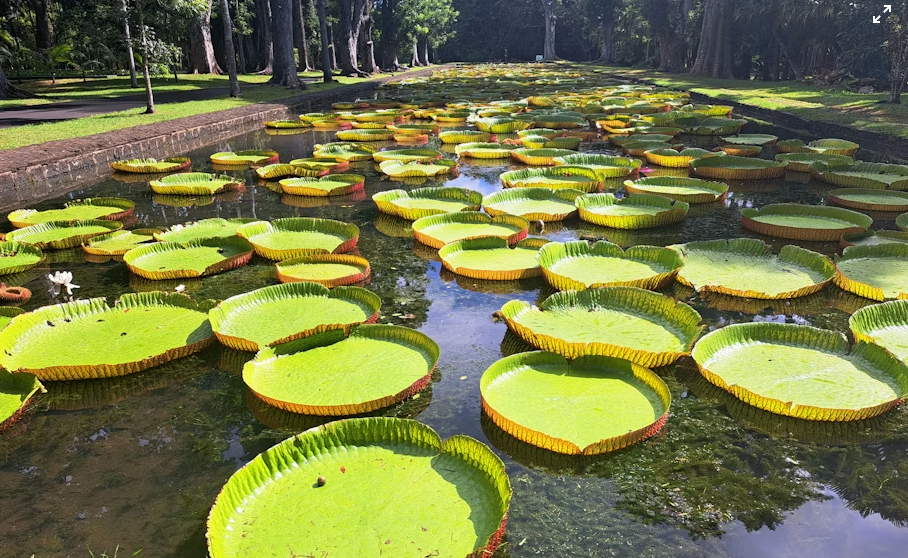
Poivre was an eccentric mastermind with a talent for acquiring valuable assets, such as the nutmeg trees and cloves stolen from the Dutch. However, the real treasure of Pamplemousses is the astonishing Victoria amazonica water lilies. While strolling around the shady pathways, make sure to visit the pond, where giant water lilies create a dazzling green spectacle with their large round leaves the size of a dinner plate.
A Melting Pot on a Plate: Port Louis Central Market
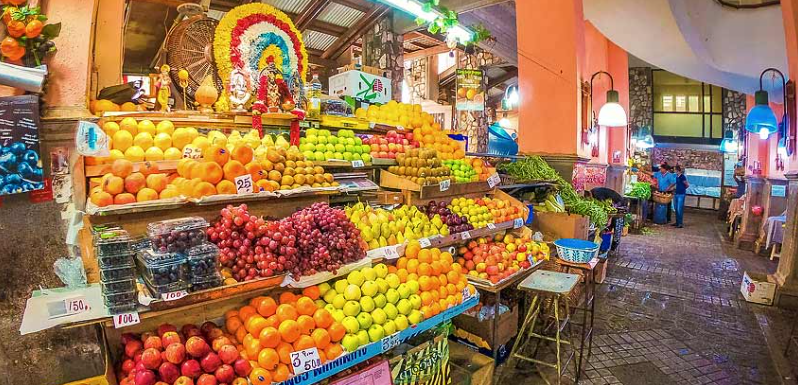
The best way to discover Mauritius is by exploring the local street food, and the tastiest way to do this is by visiting the central marketplace in Port Louis (the capital of Mauritius). Listening to the local chefs’ stories while learning how to eat like a local is an activity that everyone should experience at least once in their lifetime.
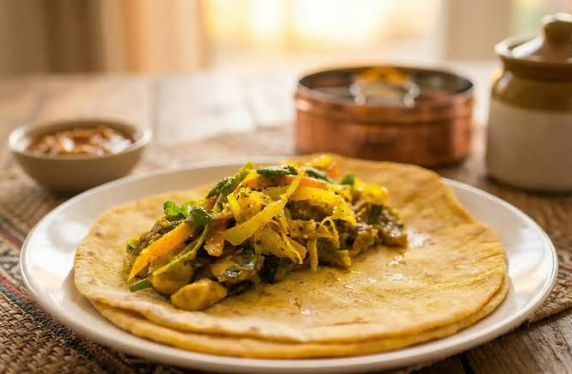
Don’t forget to follow the advice of the native cooks and try Dholl Puri, a delicious, spicy, and scrumptious snack unique to Mauritius. Made of thin, crispy dough filled with a savory mixture of ground yellow split peas, Dholl Puri is often served with a spicy tomato-based sauce called rougaille, pickled vegetables, and butter beans.
Mauritius is certainly ready to offer you a postcard view if that’s what you need. Come and enjoy the white sand, turquoise waters and you will be delighted going back home on a ferry lined with palm trees, But if you want to experience Mauritius in a more authentic and intense way, leave the sand behind and seek the beauty of the island, its mountains and explore around sacred lakes. Taste the chaos of a Dholl Puri street snack with the spicy sauce sliding down your throat, and you are sure to fall in love with this place called Mauritius.